Hein Bank Halibut Fishing Map

Halibut Fishing Hein Bank

Where to catch halibut on Hein Bank in the Strait of Juan de Fuca

Hein Bank is one of the best halibut fishing spots in the Strait of Juan de Fuca. This easy to find and easy to fish bank offers anglers a vast area to search for and find halibut. Some anglers opt to drift this underwater bank while others choose to anchor on known hotspots.

If you choose to drift, watch the current and set up your drift to follow the contour lines. Over the years I’ve had the most success in the 180 to 220-foot range, but have taken fish from 220 to 350-feet. Halibut will also move into the shallows, especially on the northern end, where baitfish get pushed onto the top of the bank. When starting in the shallows look for 30 to 60-feet and keep a watchful eye on your depth sounder as you drift from shallow to deep water. And don’t be surprised if you see salmon on your depth sounder, they too are attracted to this baitfish buffet.

Hein Bank Halibut

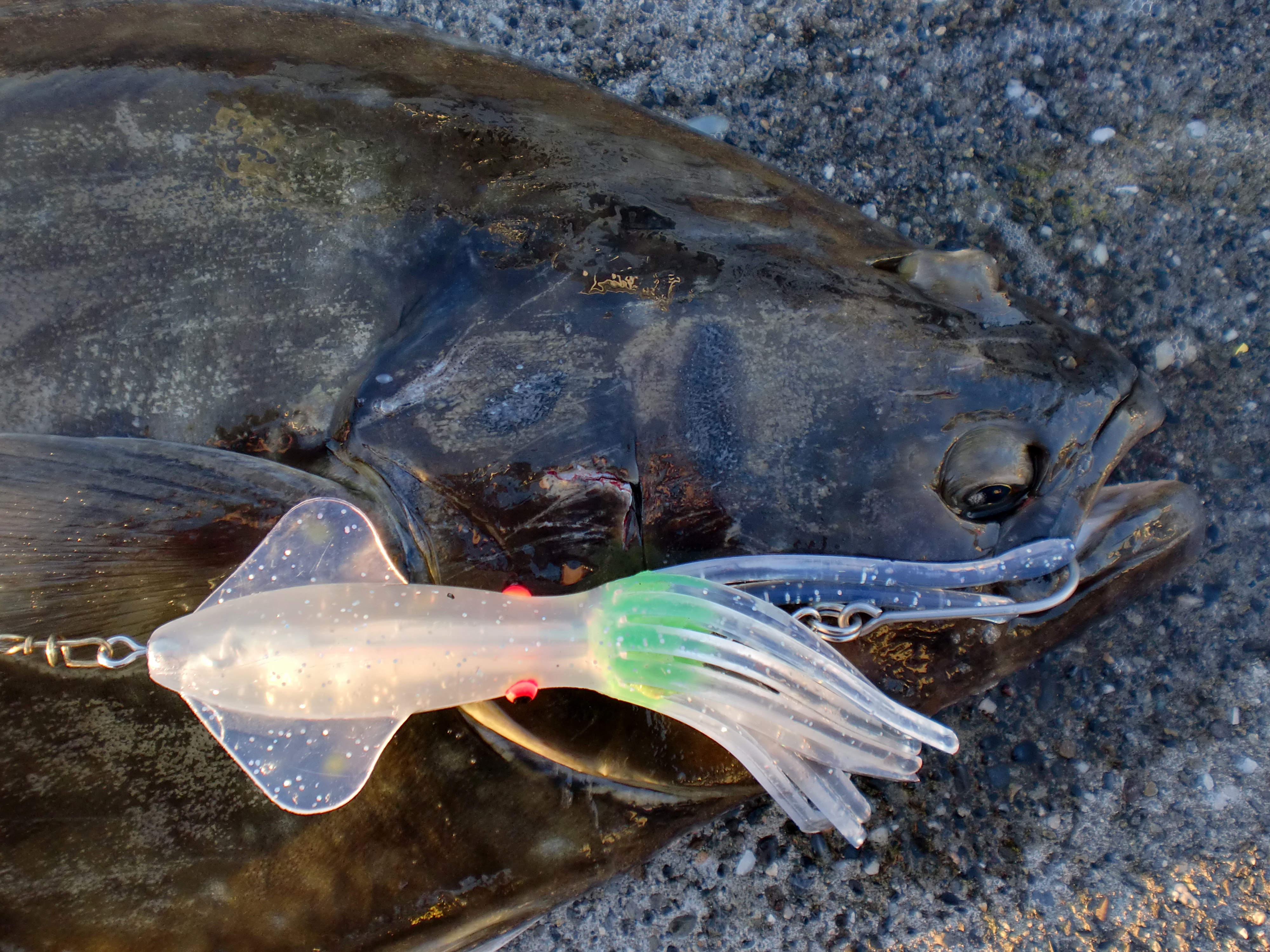
FAT Squids work great for halibut

Best baits include FAT Squids, herring, squid, salmon bellies and mackerel. When using FAT Squids or any lure always add a chunk of bait to the hook. This sweetens the lure and gives the halibut something to smell and taste. Adding bait dramatically increases your chances of hooking halibut.

Jigging for halibut

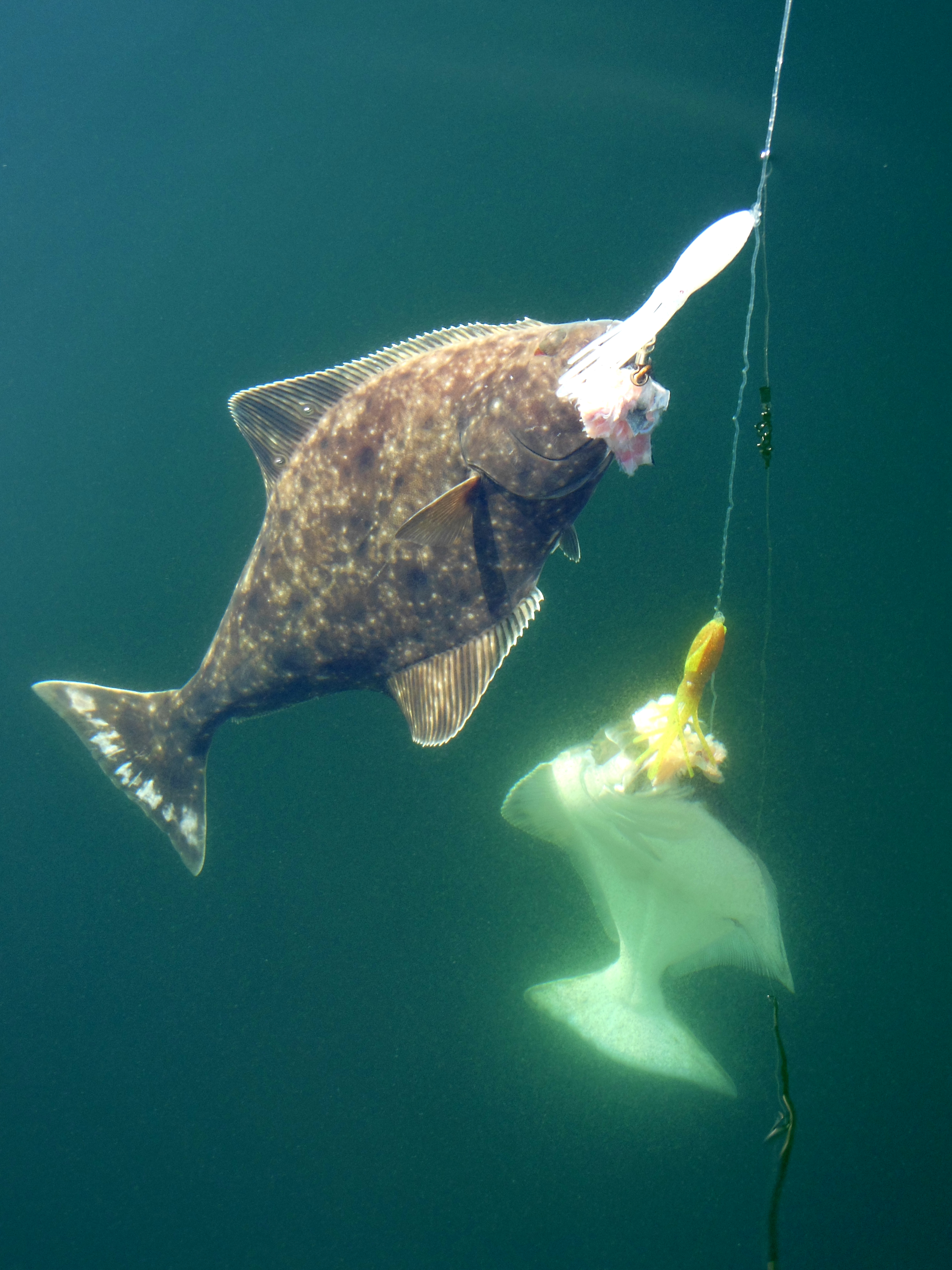
Jigging for halibut at Hein Bank can be very productive.

Jigging with Pt. Wilson Dart jigs, Deep Stingers or leadhead jigs also works great at Hein Bank, especially in the shallow areas. When using leadheads put a chunk of bait on the hook. When using baitfish style jigs put some scent on the jig to make it more appealing. You can also add some UV or Glow tubing to the hook shank to increase the jig’s visibility.

Trolling for halibut at Hein Bank also works for some anglers because they can troll along the edge, while maintaining a fairly constant depth. Make sure you have plenty of downrigger cable and a 15-pound downrigger weight. To increase your trolling success, add a two foot length of threaded pipe to your downrigger ball. Drill a couple dozen 1/4 inch holes in the pipe and seal both ends with a screw on cap. Drill a hole through the center of the top cap and install a stainless steel eye bolt that will connect to the bottom of the downrigger ball. Use two to three foot piece 80 to 100-pound mono line to connect the pipe to the downrigger. Before deploying the pipe unscrew the top and fill the pipe with shrimp pellets and then pour some mineral oil, canola oil or herring oil into the pipe, screw the pipe into the lid and deploy.

Lower the downrigger ball and pipe to the ocean floor until it “ticks” or drags slightly. This will create noise, stir up the bottom, create a good scent trail and prevent you from snagging your ball on the bottom. It also keeps your bait off bottom and in clear view of any nearby halibut. Best bait or lures for halibut trolling include flashers and hootchies, flashers and herring, flashers and Squiddy Squids or a dodger and herring. Leaders should be 80 to 150 pound test and measure four to five feet in length.

Good luck,

John


Posted in Halibut Fishing Tips, Washington Halibut Maps | Tagged , , , , , , , , , , , | Leave a comment

McCurdy Point Halibut Fishing Map

Image

Port Townsend locals love halibut fishing at McCurdy Point. It’s close to Port Townsend and accessible to anglers with small or big boats. And unlike many of Puget Sound’s best halibut fishing areas, McCurdy Point offers anglers shallow water fishing for halibut. Last week I spoke with several anglers who fish the area and ask them how deep they typically fish. They all said 60 to 120 feet is their preferred depth, but they will fish deeper if the shallows don’t produce halibut on their hook.

Over the past few seasons I have fished the spot and am still learning the varying currents and depths. One thing to note, a couple locals like using spot shrimp for bait and say they work great. Most others, however, use large horse herring. This season, instead of hooking the herring head first, try reversing the bait to present it head down and put a skirt over the tail. This presentation gives the bait an enticing side to side action while giving the halibut an irresistible, bite-inducing look at the baitfish’s eye. While fishing in Sooke this presentation worked really well and put some nice halibut on our hooks.

Good luck, and be sure to subscribe to the blog to get updated when I post more Puget Sound halibut fishing maps. And visit Halibut.net for your tackle needs.

John

Posted in Halibut Fishing Tips, Washington Halibut Maps | Leave a comment

Dungeness Bay Halibut Fishing Map

Image

Dungeness Bay and Dungeness Spit is one of my favorite places to anchor and drift for halibut. As you can see, the chart above shows several great places to try for halibut. One of my seminar attendees from last year recently called to thank me for showing him where to anchor near Dungenesess Spit. He regaled me with stories of catching a 135, 90 and 70 pound pounder. Wow I said, that’s pretty good. Last season I also caught some nice halibut not far off the spit.

In year’s past I’ve drifted the Traffic Separation Zone, always with an eye and ear trained on approaching vessels. One foggy morning an aircraft carrier appeared suddenly, giving us concern because of our close proximity to the giant warship. So beware and watch out for ships while fishing in this zone. Don’t anchor here, as the ships ALWAYS have right away. When drifting, be prepared to reel up quickly and exit the zone to a safe distance.

The chart shows several great spots to fish halibut while staying clear of the separation zone. In these areas feel free to anchor, but still keep a watchful eye on approaching vessels. On more than one occasion I’ve seen large vessels outside of the traffic separation zone.

Best depths vary, like most halibut fishing areas. During heavy tidal flows try fishing in closer to the spit, from 90 to 180-feet. Or look for the small underwater plateaus that offer shallower depths. When tides are light, meaning not much exchange from one tide to the next, go deep.

The big tides push bait into shallow areas, especially around underwater structure. This also brings the halibut into these zones. Whether anchoring or drifting, the halibut will be most active with a 1.8 to 2.5 mph current. If the current lessens, remember to bang the bottom with your leads or jigheads. This stirs up the bottom, sending sediment down current and puts an enticing sound into the water. The action also brings your bait or lures to life and often causes halibut off the bite to instinctively become more aggressive. During slack tides the halibut will bite more out of aggression or to protect their territory. They will also try to lay on the bait or jig to save it for later, when they go back to feeding. This is why so many halibut get snagged on their white underside. For years I never believed this, but after watching closely while guiding last summer, it continued to occur, mostly during the slack water, when they just did not want to bite.


Regardless of the stage of tide, it is always good to maintain contact with the bottom, by dropping your lead or jighead on the bottom and banging it a few times. Sound travels 11 times farther underwater and is five times louder. The vibrations from banging the bottom reach the halibut’s lateral line, where thousands of tiny microscopic, hair-like nerve endings make up the lateral line. A halibut’s lateral line enables fish to feel without touching, and helps them target in on the noise and right to your baits.

Good luck on the opener,

John

Posted in Halibut Fishing Tips, Washington Halibut Maps | Tagged , , , , | Leave a comment

Anchoring For Halibut Tips

ImageTip: You MUST have enough chain to equal your boat’s length. However, 1 ½ times to 2 times the length works best. 

Anchor Line (Rode) Scope Rule of Thumb:

You need a minimum of 1/3 more line than depth. For instance, to anchor in 300-feet of depth you will need at least 400-feet of line, depending on winds & currents. Remember, safety first. If your anchor drags bottom, play out more line to increase the scope. You can also use your trolling motor to move your boat side to side and too reposition if wind or current moves you off your hotspot. Additionally, if current or wind shift your boats position try cleating your anchor line to either the port or starboard bow cleat. This will swing you in the opposite direction of your cleated anchor line.

If the bite dies off, before moving play out 50 feet of anchor line and give it an additional 30 to 60 minutes fishing time. This technique has produced dozens of halibut for me. This technique puts your baits and lures down current, and into range of halibut moving into your scent field.

Anchor Size Guide

Bruce/Claw Anchor

Specifications
  11 lbs 16.5 lbs 22 lbs 33 lbs
Metric 5kg 7.5kg 10kg 15kg
Boats up to: 22′ 28′ 33′ 40′

Danforth

Specifications
Size: 8.8 lbs 16.5 lbs 22 lbs
Metric 3.6kg 7.5kg 10kg
Boats up 24’ 34’ 38′
Posted in Halibut Fishing Tips | Tagged , , , , , | Leave a comment

FAT Squid Jig Heads

ImageThree years ago I developed and tested my new FAT Squid Jig Heads. The idea was to create a jig with flexibility in more ways than one. I wanted a jig that could be used with all of my fully rigged squids.

They are finally here, in four sizes, 16, 12, 8 & 3 ounces. They come in glow and white and have a corkscrew on the neck to quickly attach your favorite FAT Squid or Z2 Squid. You can also attach a spoon or other lure. These jigs have a fish attracting articulated action that halibut and lingcod can’t resist.

These jigs are available at Halibut.net

Posted in Halibut Fishing Tackle | Leave a comment

Herring Brine Recipe

Last summer I experimented with preserving herring. At Whaler’s Cove Lodge everyone goes out in the morning and jigs their own live herring, then put them in a bucket and use dead herring all day. Some of the captains salt their herring, or fillet the herring and then salt them. After many experiments I combined my old standard brine recipe with a new technique.

First off, here’s my brine recipe.

3 parts non-iodized salt or pickling salt (use any measuring device)

1 part powdered milk

Mix well and store in a dry container.

After mixing your brine solution

1 part brine mix to 3 parts water.

ImageAdd herring to brine mixture. You can also add food coloring, or freeze dried herring, available at http://www.halibut.net to add some flavor to the mixture. Mrs Stuart’s Bluing also works well to color your bait.

Sometimes the salmon want a blue, green or purple bait, so try different colors. The powdered milk shines up the herring and helps preserve it. Adding some of your favorite scent or simple herring oil helps to “sweeten” your brine and add enticing flavor to your baits.

ImageUse a six or 12 pack cooler for your herring brine and add a Ziplock with ice. This keeps the mix from heating and rotting/spoiling the bait. Here’s where you will save lots of money over time. Each night close the cooler’s lid and put it in the freezer. Typically the brine won’t completely freeze overnight but will keep the herring from going bad. If you don’t fish for a several days or longer the mix will freeze, but it’s a milky, not solid ice kind of freeze. Even after a month in deep freeze it will thaw enough overnight to be ready for use in the morning.

When using fresh herring cut the heads off, remove guts, rinse bodies and heads in a bucket of ocean water. Rinse thoroughly to clean off any blood and guts. Transfer to your cooler of brine mix. While guiding at Whaler’s Cove I routinely used 10 to 12 day old baits without suffering any loss of quality. Fact is, I preferred the older baits because they were tougher, but not rotten.

Try it this summer and remember, my recipe is just a starting point, you can experiment and come up with your own preferred brine that works great for you.

Good luck,

John

Posted in Uncategorized | Tagged , , , , , | Leave a comment

Waldron Island Halibut Fishing Map

Image

Bellingham based halibut anglers will have lots of places to fish for halibut this year. Early reports indicate there’s lots of halibut on the inside waters, all the way to Campbell River B.C. While the inside halibut fishery is limited in days to fish, I still suggest trying some new areas. This map of Waldron Island shows a couple areas that have produced halibut in years past and should put some fish on the hook this year. Remember, halibut put their eyes into the current, waiting for bait to come along, so choose your spot accordingly.

Position your boat, either anchoring or drifting, to fish downhill. If drifting, start on the uphill side and drift downhill, or deeper. When anchoring choose the top of the bank or ridge or the bottom of it for best results.

Good luck,

John

Posted in Washington Halibut Maps | Tagged , , , , , , | Leave a comment

Halibut Fishing Map For Coyote Bank

Image

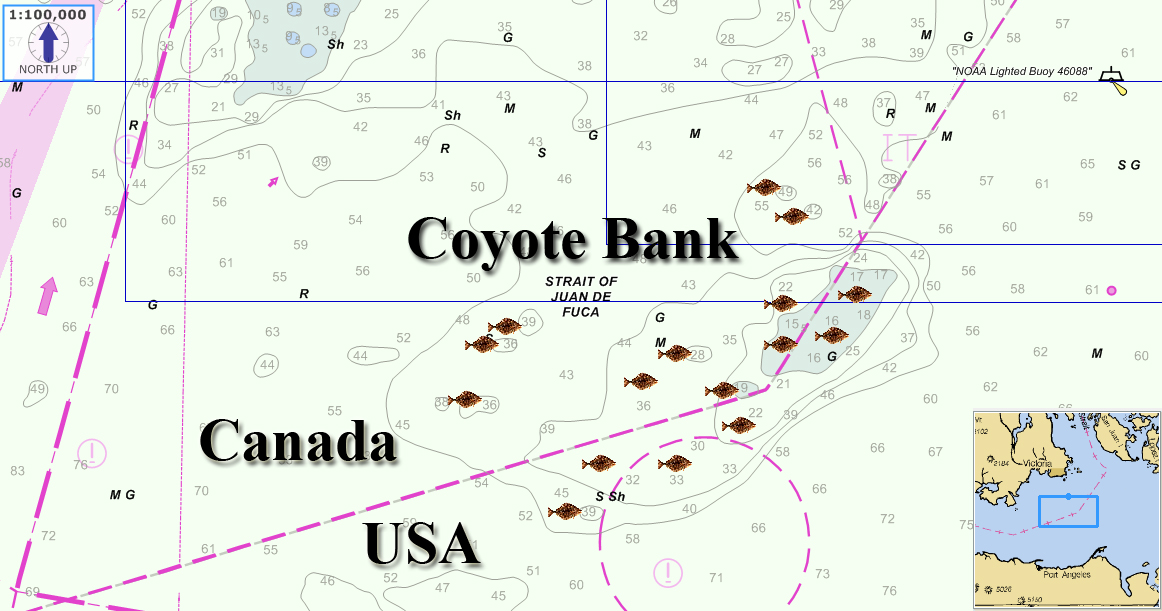
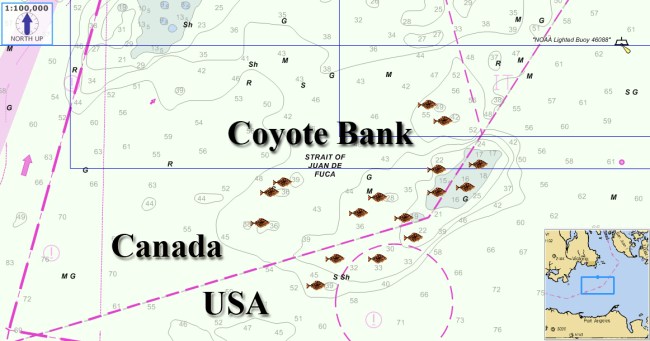
The Canadian side of Coyote Bank sits just 11 nautical miles from Ediz Hook, but often times uncomfortably in the middle of the Strait of Juan de Fuca. As you can see, Coyote Bank offers numerous places for halibut to hide. Choosing where to fish, on the U.S. or Canadian side of the border will depend on several factors. First off, to take advantage of the entire bank, purchase a Canadian saltwater license, information below. Once you have your license watch the tides and currents. During an incoming tide, fish the east side of the bank, or anywhere on the bank that offers a uphill slope to the west. Outgoing tides will put you on the west side of the bank.

Halibut put their eyes into current, waiting for unsuspecting baitfish. Knowing this should help you decide the best place to find halibut. Also, some areas only produce during either a high or low tide, so keep track in your fishing logbook.

Depth also remains an important factor where to fish for halibut on Coyote Bank. During strong tides go shallow. These tides push and concentrate bait into the shallow humps, bumps and shallow areas of the bank. Weak tides scatter the bait and force halibut to search for different feed in deeper areas.

Best baits include herring, squid, salmon bellies, sardines, mackerel, octopus or shad bellies if you have them.

Best lures include FAT Squids, Z2 Squids, Brite Bite leaders and leadhead jigs. These lures are available at http://www.halibut.net

I always put a piece of bait on my lure’s hook and fish lures and baits about four feet off bottom.
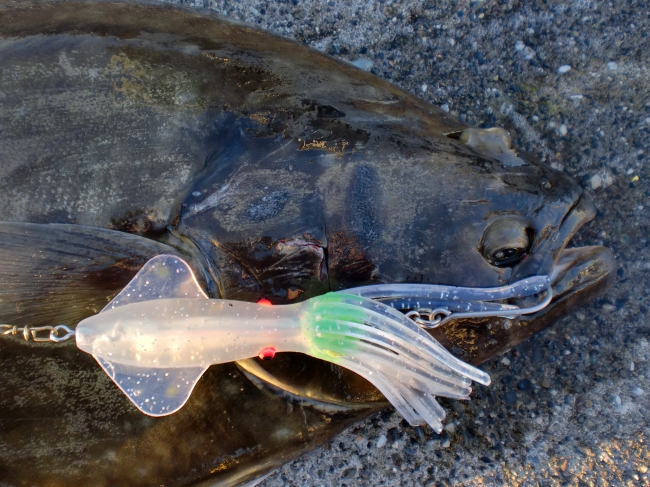
ImageBest lure colors include ultraviolet, glow, rootbeer, orange/glow and pink/glow.

10-inch FAT Squids come with 9/0 stainless J hooks, but can be switched out for a circle hook.

Anglers that like to hold the rod and jerk to set the hook should use a J hook. For those who like to put the rod in the rod holder and wait will do best with a circle hook. The circle hook should never be jerked. Patience is required when using the circle hook. When you see a bite when using a circle hook let the fish take the bait or lure, wait for the rod to load and bend and line to come off the reel then slowly begin reeling. This should allow the circle hook to do its job.

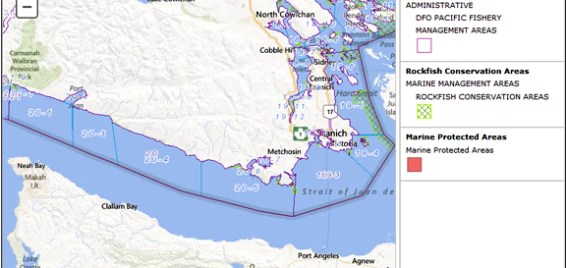
Here’s a map an current information about fishing the Canadian side of Coyote Bank.
Image

If you do fish Canadian waters, BEWARE! You MUST call 1-888-CAN-Pass (226-7277) at least two hours prior to entering Canadian waters if you are a NEXUS card holder. Non NEXUS card holders, in other words, most of us, MUST call upon entering Canadian waters. After several phone calls today to Canadian Customs, they did confirm that ANCHORING in Canada while halibut fishing is fine. That’s great news for all halibut anglers. FYI, you can purchase a 1 day, 3 day, 5 day or annual B.C. Saltwater fishing license.

Also note, it is illegal to have firearms or mace aboard while in Canadian waters, so be sure to leave your weapons at home. And gangion rigs with two hooks are not legal. You may have two hooks on the same bait or lure though. Walt, a blog reader and PSA member also points out, “Old misdemeanor incidents that will prevent you from entering Canada when they check the system in Washington,DC. include Pot possession and DUI.” If you aren’t sure if you are welcome and legal to enter Canada just call them. Also note, in some instances they could require you to report to either Victoria or Ucluelet to clear customs. However, my conversations with Canadian Customs officials indicated they rarely would require this. And remember, if you call just before entering Canadian waters, i.e. on the border but still within U.S. waters you should be safe. If they instruct you that you MUST go to either Victoria or Ucluelet, to clear customs simply let them know you will not be entering Canadian waters. Walt says refusing to clear customs when requested will prevent you from entering Canada in the future, and says, “The potential problems far exceed any gain from fishing in Canadian waters.”

Halibut Gangion Rig

Gangion rigs with two baits or lures are not legal in British Columbia Waters

Effective Apr. 1, 2014 until further notice:

  • The maximum length is 133 cm. (52.3622 inches)
  • The daily limit is 1.
  • The possession limit is 2, only one of which may be greater than 90cm in length.
  • Annual limit of 6 halibut per license holder as authorized under the 2014/2015 Tidal Waters Sport Fishing License.
  • For each halibut retained by the license holder, the date of capture, the Fisheries Management Area from which it was caught and its length shall be immediately recorded in ink on the 2014-2015 Tidal Waters Sport Fishing License.
 

Posted in B.C. Halibut Maps, Washington Halibut Maps | Tagged , , , , , | Leave a comment

Halibut Fishing Middle Bank, Washington & British Columbia Canada

BC No Fishing Zone

Some of Washington State’s best halibut fishing can be found at Middle Bank, right on the British Columbia border. In fact, both sides produce well for halibut anglers. The Purple line in the chart shows the border, which takes a hard left, giving anglers a good area to prospect for halibut. As you can see, the blue water is the shallow area of Middle Bank, while the white water is deeper. Halibut move shallow and deep, depending on tide and bait. Typically though, if the tide is strong, meaning it has lots of flow, go shallow. When the tide is weak, with less flow fish deeper.

Fishing in Canadian waters you will need a B.C. Saltwater Fishing License. These licenses can be purchased online, and are good for these waters. https://www-ops2.pac.dfo-mpo.gc.ca/nrls-sndpp/index-eng.cfm

If you purchase an online license you are prohibited from fishing Areas 23, 121 & 123. Your online license will enable you to fish the inside waters of Vancouver Island all the way to the other side of Neah Bay.

Image

If you do fish Canadian waters, BEWARE! You MUST call 1-888-CAN-Pass (226-7277) at least two hours prior to entering Canadian waters if you are a NEXUS card holder. Non NEXUS card holders, in other words, most of us, MUST call upon entering Canadian waters. After several phone calls today to Canadian Customs, they did confirm that ANCHORING in Canada while halibut fishing is fine. That’s great news for all halibut anglers. FYI, you can purchase a 1 day, 3 day, 5 day or annual B.C. Saltwater fishing license.

Also note, it is illegal to have firearms or mace aboard while in Canadian waters, so be sure to leave your weapons at home. And gangion rigs with two hooks are not legal. You may have two hooks on the same bait or lure though.  Walt, a blog reader and PSA member also points out, “Old misdemeanor incidents that will prevent you from entering Canada when they check the system in Washington,DC. include Pot possession and DUI.” If you aren’t sure if you are welcome and legal to enter Canada just call them. Also note, in some instances they could require you to report to either Victoria or Ucluelet to clear customs. However, my conversations with Canadian Customs officials indicated they rarely would require this. And remember, if you call just before entering Canadian waters, i.e. on the border but still within U.S. waters you should be safe. If they instruct you that you MUST go to either Victoria or Ucluelet, to clear customs simply let them know you will not be entering Canadian waters. Walt says refusing to clear customs when requested will prevent you from entering Canada in the future, and says, “The potential problems far exceed any gain from fishing in Canadian waters.”

Halibut Gangion Rig

Gangion rigs with two baits or lures are not legal in British Columbia Waters

Effective Apr. 1, 2014 until further notice:

  • The maximum length is 133 cm. (52.3622 inches)
  • The daily limit is 1.
  • The possession limit is 2, only one of which may be greater than 90cm in length.
  • Annual limit of 6 halibut per license holder as authorized under the 2014/2015 Tidal Waters Sport Fishing License.
  • For each halibut retained by the license holder, the date of capture, the Fisheries Management Area from which it was caught and its length shall be immediately recorded in ink on the 2014-2015 Tidal Waters Sport Fishing License.


Posted in B.C. Halibut Maps, Washington Halibut Maps | Tagged , , , , , , , , , , | 2 Comments

Washington State Recreational Sport Halibut Fishing Quotas 2014

2014 Ocean Halibut
Fishery Quotas
North Coast (Marine Areas 3 & 4)
Season Total: 108,030 lbs.
South Coast (Marine Area 2)
Season Total: 42,739 lbs.
Primary: 40,739 lbs.
Nearshore: 2,000 lbs.
Columbia River (Marine Area 1).
Early: 9,516 lbs.
Late: 2,379 lbs
Nearshore: 1,190 lbs..
Puget Sound Season Total: 57,393

Posted in Washington Halibut Regs | Tagged , | Leave a comment