Sekiu Halibut Fishing Map

Sekiu Halibut Map

Click map to enlarge

Sekiu and the rest of Marine Area 5 opens for halibut Thursday through Sunday, May 22-25, for Memorial Day weekend. The fishery will open again May 29-31 and will be open one final day on Saturday, June 7, if enough quota remains. The Sekiu halibut fishing map above shows the prime places to fish. Traditionally the majority of anglers here drift the flat areas between the Sekiu and Hoko river mouths. A few anglers this year will anchor, and will likely do extremely well. However, anchoring here will require a strong dose of common sense. First off, anchoring in the prime drift zone won’t be wise as it would only serve to disrupt the drift of many boats and cause your fellow halibut anglers to hate you. Also, this area can get rough or have high swells. Remember, anchors should only be deployed when conditions allow. Don’t anchor during rough wind and waves. Always stay safe.

Best Depths: 120 to 260 feet. One top strategy is to begin in 120 feet and drift between the two rivers. If you catch halibut during the drift repeat when you complete the drift. No fish, no worries, just move into 140 to 160 feet and try that drift depth. Continue working into deeper water if you fail to find hungry halibut. And yes, some anglers will reverse this strategy and begin in the deeper drift and move shallow, which also works. I prefer the shallow to deep approach because it is easier to fish shallow than deep.

Best Baits: Try large sardine here. Sardines have lots of oil and will provide a good scent trail. Make three slices into the sardine on both sides to increase the scent coming from the bait. Herring also works well as well as squid and salmon bellies. Be sure to brine your bait to toughen it up so it stays on the hook longer. Prepare your brine two days before the season and keep your brined bait in a small six pack cooler. Keep your six pack cooler in the fridge until you leave for Sekiu. While on the boat, put a Ziploc bag filled with ice in your six pack cooler.

Best Lures: Virtually any of your favorite lures should work great, especially on opening weekend when fish are more plentiful and hopefully aggressive. As always, I like FAT Squids, Z2 Squids, double skirts and jigs. When fishing in the shallows jigs might be a great choice. Try the new FAT Squid Jig Head.

ImageThese jig heads turn any fully rigged soft squid into an enticing articulated jig. The jig head also enables anglers to put a plain hook on the corkscrew swivel. Add some bait to the hook and it turns into a unique “Bait Jig.”

Last week I experimented with a short baitfish leader with a whole herring and attached it tot the jig head. It looked great and swam behind the jig head.

I prefer attaching the mainline on the end of the jig head.

These jig heads are available at Halibut.net
 

Image

Good luck,

John

Posted in Halibut Fishing Tips, Washington Halibut Maps | Tagged , , , , , , | Leave a comment

How To Chum For Halibut

Today, Saturday May 17th, was the second inside waters halibut opener. Predictions of winds luckily did not come true. Wind stay calm, along with the seas. As mentioned on a previous post, we headed for a high spot near Protection Island and dropped anchor in 124 feet of water. Chuck Tamblyn, from Discover Bay Marine provided me with the ride today, and the perfect chum to send down on the downrigger. Since Chuck is a hard core, experienced shrimp guy, he had some of his shrimp bait to put in little plastic jars dotted with holes. He then put three jars in a chum back and clipped it to his electric downrigger and sent it to the bottom, then raised it six feet off bottom.

ImageThis picture shows the full chum bag and three plastic jars with plenty of holes throughout.


You can mix your chum using canned fish flavored cat foot, dry cat foot, herring or other fish parts and some herring, canola or mineral oil.

The chum lasts at least three hours and sends an attracting scent field down current. Be sure to keep the downrigger ball off bottom six to eight feet, to provide maximum scent field effect.

When we arrived at 6:45 the tide should have been moving from east to west, but it was slack, which forced us to use the trolling motor to reverse away from the anchor puller buoy. Not long after setting anchor and using the small trolling motor to get set on anchor, the current began to move, sending scent down current to the west. We caught two dogfish within minutes, a bad sign, or so we thought. Then, at 7:30 a.m. my rod bent over with a halibut pulling line. Yee ha! I quickly got the rod and began reeling the short distance to the surface.

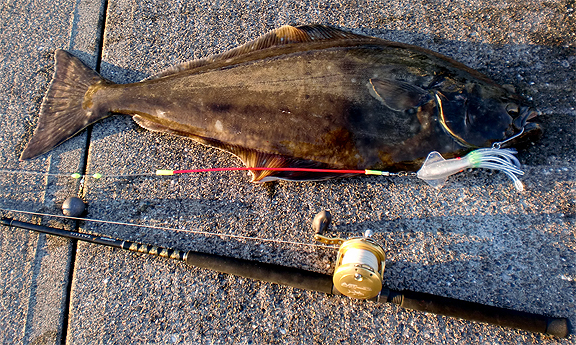
ImageThis 27 pound halibut went for a 7.5 inch UV FAT Squid with a taste of squid. I had planned to use a double J hook leader with an upside down horse herring or sardine, but forgot to bring that leader.

After hitting bottom with the lead, I reeled up two feet. The halibut grabbed the bottom FAT Squid, but likely came it because of the chum and the glow FAT Squid two feet above the UV FAT Squid. Both squids had chemical lights making them bright and lifelike.

Please watch my How To Chum For Halibut video below, which also shows me catching this nice halibut.

Thanks and good luck to all of you halibut anglers!

John

Posted in Uncategorized | Leave a comment

Dallas Bank Halibut Fishing Map

Image


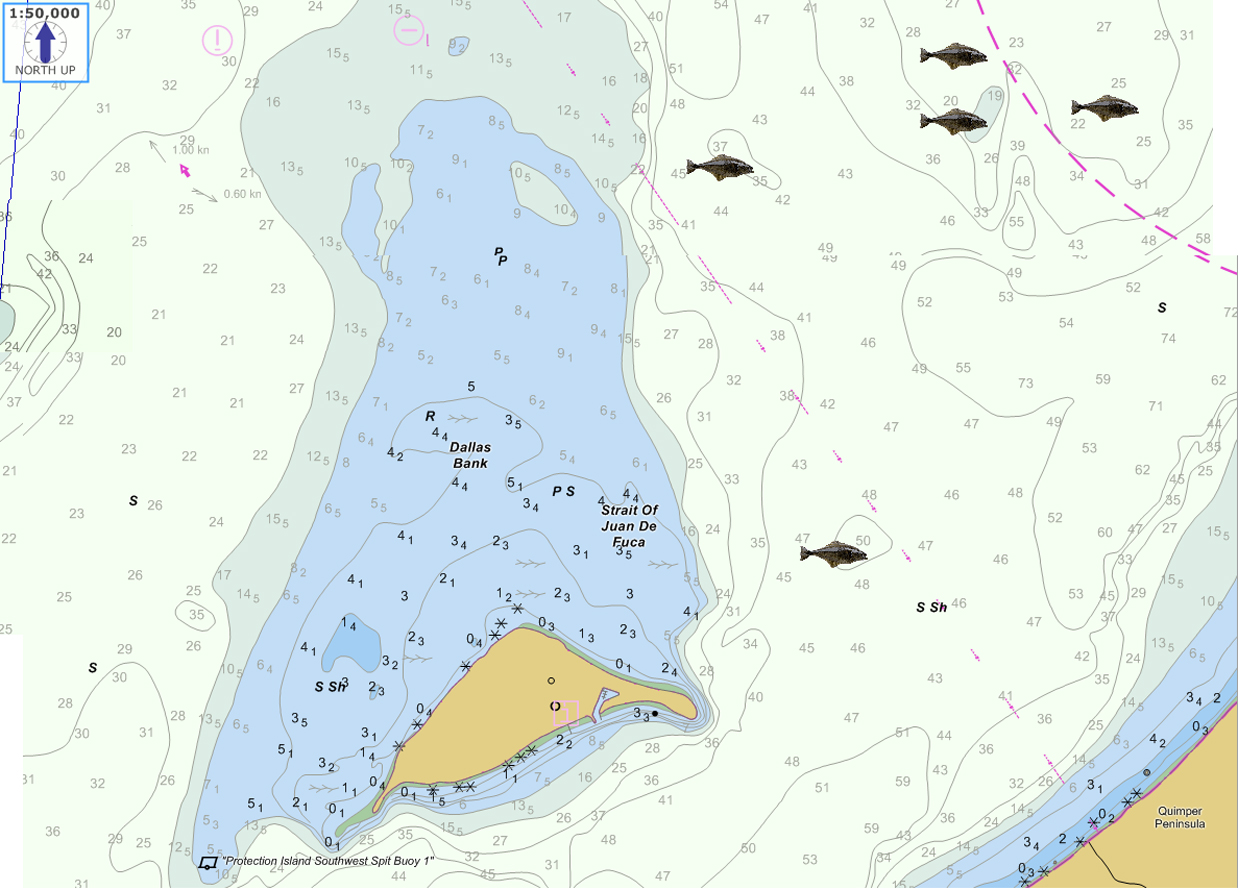
Dallas Bank is one of the more popular halibut fishing spots in eastern Strait of Juan de Fuca. My favorite spots to fish Dallas Bank are any humps, bumps or bowls. Either of these areas will produce halibut. I’m also a fan of anchoring here but have spent hours drifting with high and low tides.

Two years ago I fished with a friend, who insisted on drifting the area instead of anchoring over the hot spot from the day before. We watched a boat anchor over our previous day’s hot spot and continue to catch fish, five of them by day’s end. Meanwhile we did not catch a fish or get a bite.

Best bait: Mackerel, Sardines, Herring, Squid and Salmon Bellies. On Saturday, may 17th I will use a combination of my 7.5 inch FAT Squid and a piece of herring.

Best lures: FAT Squids, Z2 Squids, Double Skirts over whole herring, sardines or mackerel.

ImageRemember, to add a piece of bait to your lure and pinch down those barbs.

Sharpen your hooks too, to get that extra easy hook penetration.

This photo shows a 10-inch UV FAT Squid.

Saturday I’m going to use a 7.5 inch FAT Squid tipped with herring.

Keep your bait or lure two to four feet off bottom, but maintain contact with bottom by dropping your lead to the bottom every couple of minutes.

Image


Circle hooks work great, even with pinched barbs. Take a close look at the photo to the right. Even with no barb on the hook, it would be close to impossible to lose the halibut while fighting it to the surface. Conversely, barbless J hooks will often shake lose from a halibut’s mouth.

So make your hook decisions wisely. If you like to feel the bite and then set the hook, choose J hooks. But remember, you will lose more fish.

If you like to watch your rod bounce up and down and practice patience, use circle hooks. When you see the bite, let the rod begin to load and bend, then count to three and slowly start reeling the fish to the surface.

Good luck this Saturday, May 17th. I’ll be on the water part of the day, with FAT Squid & bait four feet off bottom, with fingers crossed hoping for a bite.

John


Posted in Halibut Fishing Tips, Washington Halibut Maps | Tagged , , , , , , , , | Leave a comment

Westport & Illwaco Halibut Season Closes end of day on Sunday, May 18th

Halibut fishing out of Westport and Illwaco has been so good state officials will close the halibut season at the end of day on Sunday. Anglers caught approximately 30,000 pounds of halibut as of Tuesday, leaving just 10,700 pounds left on the recreational harvest allotment.

La Push and Neah Bay opened today, May 15th, and remains open on Thursdays and Saturdays only, through May 24th or sooner, which is very likely. If anglers fail to catch the halibut quota the season will reopen June 5th and or June 7th.

Early reports from Neah Bay today were good, with some nice sized halibut taken.

Good luck,

John

Posted in Uncategorized | Leave a comment

Port Angeles Washington Halibut Fishing Map — The Humps

Image

Port Angeles halibut fishing can be spectacular at times, just ask the locals who launch their boats at Ediz Hook year after year. While some anglers aim for the rock pile farther out into the Strait or to Freshwater Bay, many anglers just head to “The Humps” an area not far from the end of the hook and easy to locate.

The buoy can marks the first of the humps, the first and closest of the halibut spots to try. The second and third humps extend farther into the Strait. The third hump, in my opinion offers the best halibut fishing. Some of the locals will sit on anchor while others will drift. A few halibut anglers I know drop chum bags while on anchor and do extremely well on either tide. A close look at the map above shows the third hump and why it produces on either incoming or outgoing tide. The third hump might require a slightly different anchor position, during incoming or outgoing, depending on your exact location. It’s a big area though, and should provide ample opportunity to drop anchor to put your boat on a flat area or one with a gentle slope down current. If your boat sits over an upward slope it’s best to reposition. Remember, your scent field will travel farther on the flat or down slope than it will up slope.

Image

Best baits: Herring, Sardines, Mackerel, Squid, Salmon Bellies.

Best lures: FAT Squids & Z2 Squids

When fishing bait I like to add a squid, as shown in the picture above. This rig is a gangion rig, which offers two hooks and doubles your chances while putting twice the scent into the water.

If using J hooks be sure to jerk when you feel a bite. When using circle hooks adjust your drag to allow the fish to take a little line and then wait for the rod to load up (bend over) and line to start leaving the reel. Then slowly begin reeling the fish in.

Tip: Don’t leave your bait or lure on bottom. After touching bottom raise it four feet off the bottom. This provides a better line of sight, sends your scent farther down current and forces the halibut off bottom to take your bait. When they move off the bottom to take your bait or lure they more aggressively attack and head back to the safety of the bottom. This provides better hook sets on J hooks and circle hooks turn aggressively into the corner of the halibut’s jaw, where you have the best chance of landing the fish.

ImageThe image to the right shows a gangion rig, made from 500 pound monofilament line. You can also use “tuna cord” or commercial fishing white gangion line, available at LFS. The cord will typically be 350 pound test and easy to work with.

I will post how to make a gangion rig with cord later this week, so stay tuned and subscribe to Halibut Chronicles to get all of my halibut maps, tips, tricks and photos.

Note, two hook halibut rigs are legal in Washington, Oregon & Alaska. They are not legal in British Columbia.

After fishing these rigs for more than 20 years I have noted that the majority of halibut take the top hook and occasionally you reel up two halibut at a time. The top hook proves that having your bait or lure off the bottom increases your chances because of increased “line of sight” and a better scent field down current combined with more aggressive bites.

Good luck,

John
Posted in Anchoring for Halibut, Halibut Fishing Tackle, Halibut Fishing Tips, Washington Halibut Maps | Tagged , , , , , , , | Leave a comment

Halibut Recipe, “Poor Man’s Lobster”

Poor Man’s Lobster halibut recipe shows another great way to prepare your fresh halibut and turn it into a delicious lobster like white meat from the sea.

Posted in Uncategorized | Leave a comment

How to Anchor for Halibut

Image

Anchoring for halibut is easy if you know how and follow some basic safety rules and advice. First off, don’t anchor during rough water conditions. This could mean strong opposing winds and currents or rough seas. During these conditions you MUST use more scope and be extremely watchful of weather, tides, currents and how your boat handles the rough water while on anchor. With that said, during “standard” fair weather days, when seas don’t exceed two to three feet, the following tips should help you anchor successfully while fishing for halibut or any other species. When in Alaska at Whaler’s Cove Lodge I will anchor for halibut, rockfish, black cod and salmon.

Tip: You MUST have enough chain to equal your boat’s length. However, 1 ½ times to 2 times the length works best. 

Anchor Line (Rode) Scope Rule of Thumb:

You need a minimum of 1/3 more line than depth. For instance, to anchor in 300-feet of depth you will need at least 400-feet of line, depending on winds & currents. Remember, safety first. If your anchor drags bottom, play out more line to increase the scope. You can also use your trolling motor to move your boat side to side and too reposition if wind or current moves you off your hotspot. Additionally, if current or wind shift your boats position try cleating your anchor line to either the port or starboard bow cleat. This will swing you in the opposite direction of your cleated anchor line.

If the bite dies off, before moving play out 50 feet of anchor line and give it an additional 30 to 60 minutes fishing time. This technique has produced dozens of halibut for me. This technique puts your baits and lures down current, and into range of halibut moving into your scent field.

ImageIf you don’t have a windlass (electric or hydraulic anchor puller on bow) on your boat, a simple anchor puller will work just fine to safely pull your anchor. There’s several devices available on the market including EZ Marine Anchor Puller and several other brands that attach to your anchor line. These devices allow you to stop pulling and pinch the line preventing the anchor from falling back to the bottom.

I prefer the ring style system because of the super small diameter Kevlar line I use. The high tensile strength, small diameter line slips through the pinch style pulling devices, which make the ring my only option. The ring shown to the left is an inexpensive device available at most marine supply stores for less than $20. You can also choose a solid stainless steel ring, but only if you visit a marine supply store such as LFS Marine that has commercial fishing supplies. The solid rings come in several sizes, but my top choice is a ring that spans 10 inches across. This size works well for me and should work for you as well.

Attach a big round buoy to the ring with strong rope and you have an anchor puller. When it comes time to pull anchor cleat the anchor line off to a starboard side cleat at midship. If you have a small boat, you can pull from the bow cleat, but keep a watchful eye on the anchor line. When ready to pull the anchor aim up current from the buoy and keep your anchor line to the starboard side of the boat. This gives you the best view of the anchor line while pulling. Go fast enough to maintain control while keeping in the anchor line away from the prop. The drag of the buoy allows the anchor line to pass through the anchor pulling device. Also watch other boats in the area and don’t drive to close to them while pulling anchor. This is a good reason why you should not anchor to close to other boats.

Stern Anchor PullingClick Image to Enlarge

From Stern Anchoring Method
Instead of using your bow for anchor operations, you can attach a 1/2 line from your bow cleat or U bolt where you attach your boat to your trailer, and attach the other end to your stern cleat. Add a quick disconnect stainless steel clip on ends of the rope to enable you to disconnect your anchor quickly in case of emergency or chasing a big fish. Put a small stainless ring on this length of rope or simply use another stainless steel heavy duty clip on the end of your anchor line. This clip will enable the anchor line to slide from the stern to the bow. Note: You must use one large clip on the end of the rope from the bow. When pulling anchor the anchor line clip will slide over the knot and clip into the larger clip, providing a strong, safe pulling point for the anchor pulling device.  Take note of how much anchor line you have, for instance, if you plan to anchor in 300 feet of water you should have 600 feet of line. When it comes time to anchor clip the end of the anchor line to the small ring, then deploy all of your line, making sure you have enough line to secure the anchor and chain to the bottom. Deploy your anchor line from the stern of the boat with the buoy and ring or anchor pulling device still aboard, but with the anchor line running through the big ring or device. After the line is deployed throw the anchor buoy over the side. The boat will drift back and push the anchor line to the bow.

When it comes time to pull anchor pull forward and to the left until the ring slides back to the cleat and pull away, watching to make sure you don’t run over the top of your line. When the anchor is on the surface circle to the right and gather up the anchor line from the stern.

Image

Here’s an anchor pulling video to see how the system works. There’s also an anchor guide farther down the page.

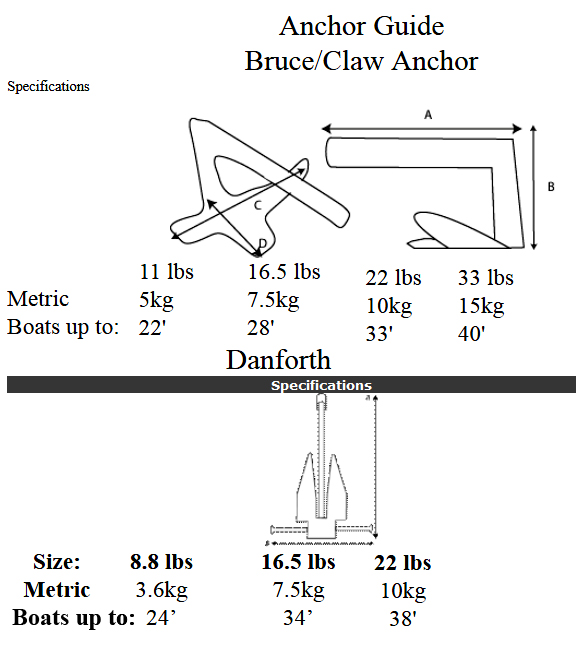
AnchorSizes

Posted in Anchoring for Halibut, Halibut Fishing Tips | Tagged , , , , , | Leave a comment

Boundary Bay Halibut Fishing Mapy

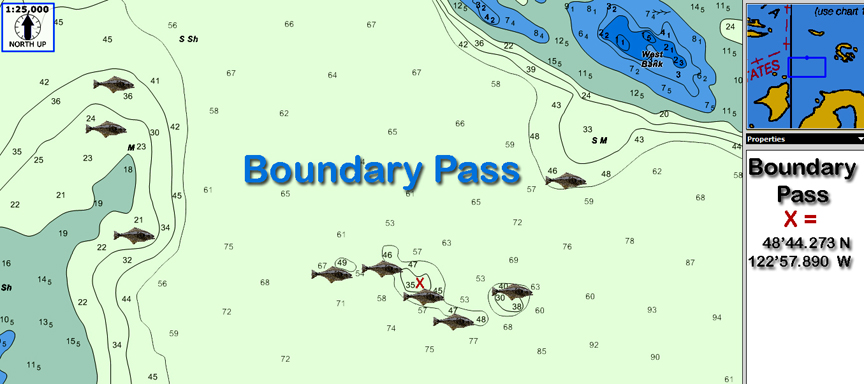
Boundary PassBoundary Pass, just north of Waldron & Orcas Island and just south of Sucia Island offers halibut anglers from Bellingham a decent shot at halibut this season. The map shows a fairly large area, in the middle of the pass that provides halibut a great place to feed on baitfish during both tidal flows.

On opening day I was on a boat heading to Sucia Island and watched several anglers as they anchored along the prime halibut fishing locales. Unfortunately I did not have the chance to wet a line nor did I see any of the Boundary Pass halibut anglers land a fish.

Best baits, like most areas, herring, squid, sardines or salmon bellies should work great here.

Best lures include artificial squids, skirts and jigs.

Good luck,

John

Posted in Uncategorized | Leave a comment

Partridge Bank Halibut Fishing Map

Partridge Bank

Located just west of the Whidbey Island elbow, Partridge Bank offers a unique place to halibut fish. During an incoming tide the waters can build and create a baitfish zone where halibut like to ambush their meals. The northwest side all the way to the southwest side of Partridge Bank offers the best fish on both tides. And contrary to much of my advice, this can be an uphill fishery, which means fishing it on an incoming with currents pushing up against the shallow bank.

Most anglers here drift, so keep watch of the bottom to avoid hanging up your gear. The other thing to watch is the close proximity to the shipping lanes, which cross the west and south side of the bank.

The east side of the bank can also be very productive, especially for the Whidbey Island locals. I know of a couple locals who do extremely well fishing a couple small areas between Partridge and Whidbey Island, so keep your eyes peeled for boats in the area.

Best baits include herring and squid, with horse herring getting the nod.

Best lures include Point Wilson Dart jigs and leadhead jigs.

If you choose this spot to fish for halibut choose days with decent weather, as it can get lumpy here, especially during opposing winds and currents.

Good Luck,

John

Posted in Halibut Fishing Tips, Washington Halibut Maps | Tagged , , , , | 1 Comment

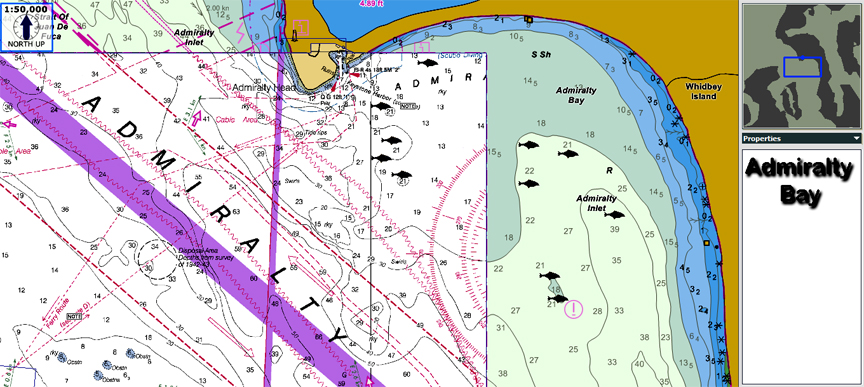
Admiratly Bay Halibut Fishing Map

Image

Admiralty Bay is one of the more popular halibut fishing areas for anglers who launch in Seattle, Edmonds, Mukeltio and Everett. It’s a long run from either of those ports, but not as long as going all the way to Dallas Bank or other halibut fishing grounds in the Strait of Juan de Fuca. This large bay sits between Admiralty Head and Lagoon Point and offers a massive area for lots of boats to fish. However, in my opinion the best halibut fishing can be found closer to Admiralty Head.

Five years ago I fish in deep water, not far from Admiralty Head without success. Before leaving my fishing partner for the day, Roy from Whidbey Island, motored closer to shore. As we got closer Roy pointed out some small 14 to 16 foot boats near shore, all with their rods bent hard on halibut. These boats were locals and knew when and where to fish halibut in shallow water. That day the tide had a big swing and currents wrapped around the point, causing the inside of Admiralty Head to have lots of concentrations of bait, which in turn attracted some halibut. I’m not saying to always fish shallow, from 70 to 100 feet here, but it is worth a try.

The halibut map shows a few of the best places to anchor, that’s right, anchor. This area produces the best results while sitting on anchor. You could drift it, but lots of boats anchor here, making it more difficult to drift without interfering with anchored boats. If you plan to halibut fish here, arrive early enough to put your boat in the best spot and try to keep safe distances from other boats on anchor.

Admiralty Bay fishes well on high and low tide, but given a choice high is the best of the two tides.

Best baits include herring, sardines, squid, mackerel, and salmon bellies. If you have some octopus add a small piece to your hook and then add your second bait choice. If bait thieves get your second choice, the octopus will likely still be on the hook to attract a halibut.

Best lures include Brite Bite Leaders, 7.5 inch or 10 inch FAT Squids, leadhead jigs, and 10 ounce Deep Stinger jigs.

Good luck,

John

Posted in Halibut Fishing Tips, Washington Halibut Maps | Tagged , , , , | Leave a comment